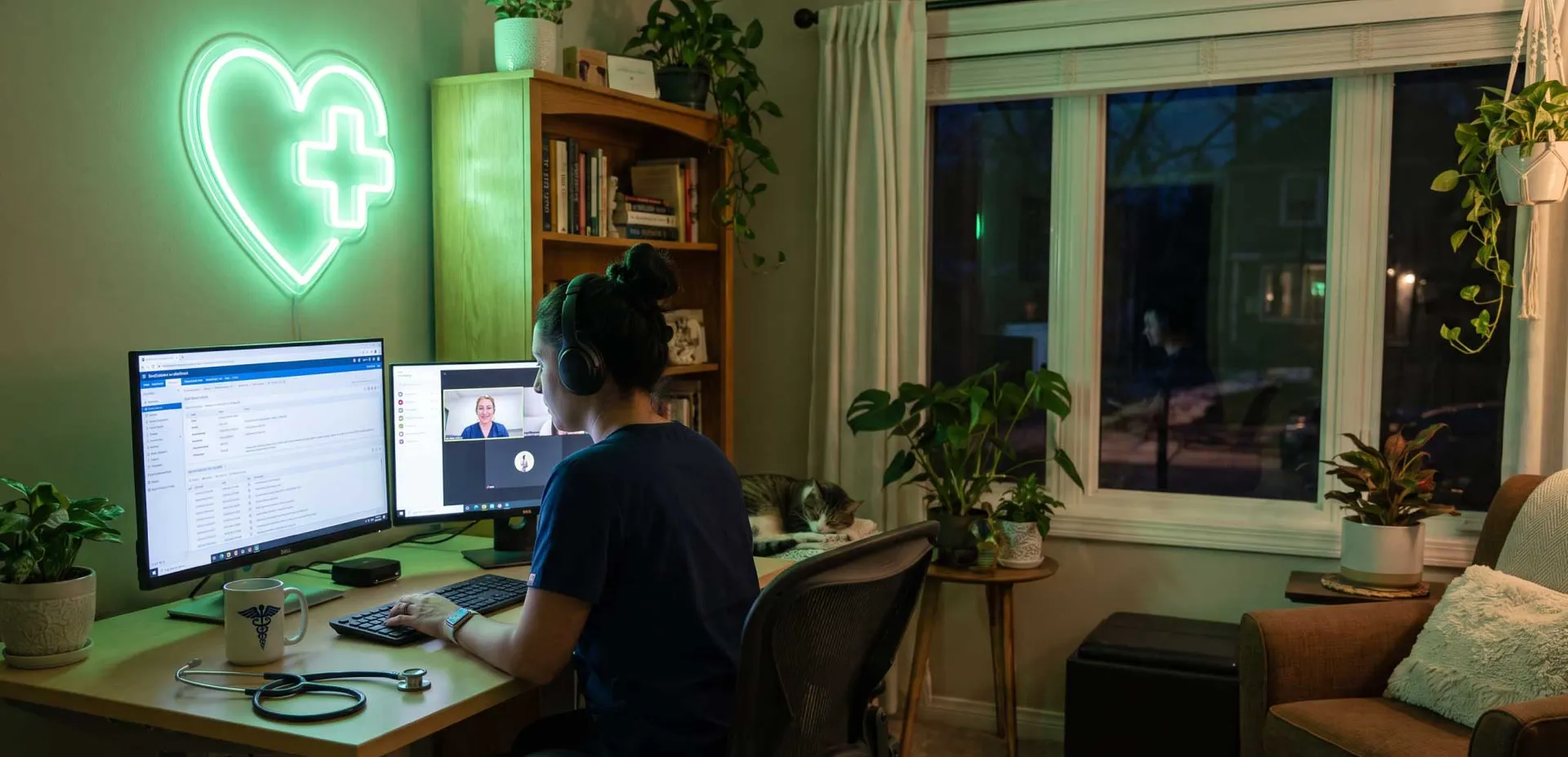
Work From Home Nursing Jobs at the Forefront of Digital Health

The healthcare industry is undergoing a seismic shift, propelled by digital health technologies that are redefining patient care delivery. At the heart of this transformation are registered nurses (RNs) who are transitioning from traditional bedside roles to dynamic, technology-enabled work-from-home positions. This comprehensive guide explores the landscape of remote nursing jobs at the intersection of nursing expertise and digital innovation. We'll delve into the types of roles available, the skills required, how to land these positions, and the future of telehealth nursing. Whether you're a seasoned nurse seeking flexibility or a newcomer to the field, this article provides actionable insights to thrive in the digital health revolution.
Understanding the Digital Health Ecosystem
Digital health encompasses a broad range of technologies, including telemedicine platforms, remote patient monitoring (RPM) devices, mobile health apps, and electronic health records (EHRs). These tools enable healthcare delivery outside traditional clinical settings, creating a demand for nurses who can manage patient care virtually. The COVID-19 pandemic accelerated adoption, with telehealth utilization increasing by 38x from pre-pandemic levels. As a result, work-from-home nursing jobs have become not just viable but essential. Nurses now serve as care coordinators, health coaches, and clinical advisors, leveraging digital tools to provide continuous, personalized care.
Key Drivers of Remote Nursing Growth
- Technological Advancements: High-speed internet, wearable devices, and secure video conferencing make remote care feasible.
- Patient Preference: Convenience and reduced infection risk drive demand for virtual visits.
- Cost Efficiency: Healthcare organizations reduce overhead by shifting to remote care models.
- Regulatory Changes: Relaxed licensure requirements and reimbursement policies for telehealth services.
Types of Work-From-Home Nursing Jobs
Remote nursing roles vary widely, requiring different skill sets and offering unique responsibilities. Below is a breakdown of the most common positions.
Telehealth Triage Nurse
Telehealth triage nurses are the frontline of virtual care. They assess patient symptoms via phone or video, determine urgency, and direct patients to appropriate care levels. This role demands strong clinical judgment and communication skills. Nurses use evidence-based protocols to guide decisions, often working for call centers, insurance companies, or health systems.
Remote Patient Monitoring (RPM) Nurse
RPM nurses oversee patients with chronic conditions like diabetes, hypertension, or heart failure. They analyze data from connected devices (e.g., blood pressure cuffs, glucometers) and intervene when readings are abnormal. This proactive approach reduces hospital readmissions and improves outcomes. Nurses must be adept at interpreting trends and educating patients on self-management.
Case Manager
Remote case managers coordinate complex care plans for patients with multiple conditions. They work with insurance companies or healthcare organizations to ensure patients receive appropriate services, from medication management to specialist referrals. This role requires organizational skills and knowledge of healthcare systems.
Health Coach
Health coaches empower patients to adopt healthier lifestyles. They provide guidance on nutrition, exercise, stress management, and medication adherence. Unlike clinical roles, health coaching focuses on behavior change and motivational interviewing. Certification as a health coach can enhance credibility.
Informatics Nurse
Informatics nurses bridge clinical practice and technology. They design, implement, and optimize EHR systems, telehealth platforms, and data analytics tools. This role requires a blend of nursing knowledge and IT skills, often involving project management and staff training.
Essential Skills for Remote Nursing Success
Transitioning to a remote role requires more than clinical expertise. Nurses must develop competencies in technology, communication, and self-management.
Technical Proficiency
- Mastery of telehealth platforms (e.g., Zoom for Healthcare, Doxy.me)
- Familiarity with EHR systems (e.g., Epic, Cerner)
- Ability to troubleshoot basic tech issues (camera, microphone, internet)
- Data security awareness (HIPAA compliance)
Communication Skills
Without physical cues, nurses must rely on verbal and written communication. Active listening, clear explanations, and empathy are paramount. Documenting interactions accurately is also critical for legal and reimbursement purposes.
Time Management & Self-Discipline
Remote work requires setting boundaries, minimizing distractions, and maintaining productivity. Nurses often manage their own schedules, balancing patient calls with administrative tasks.
How to Land a Work-From-Home Nursing Job
Securing a remote nursing position involves strategic preparation. Follow these steps to stand out.
- Obtain Relevant Certifications: Consider certifications like Ambulatory Care Nursing (AMB-BC) or Telehealth Nursing (TELN). These demonstrate specialized knowledge.
- Update Your Resume: Highlight remote experience, technology skills, and examples of independent decision-making. Use keywords like "telehealth," "virtual care," and "remote monitoring."
- Build a Home Office: Ensure a quiet, private space with reliable high-speed internet, a professional background, and necessary equipment (headset, webcam).
- Network in Digital Health: Join LinkedIn groups, attend virtual conferences, and connect with recruiters specializing in telehealth.
- Target the Right Employers: Look for job postings at telehealth companies (e.g., Teladoc, Amwell), insurance providers (e.g., UnitedHealth Group), and large health systems with virtual care programs.
- Ace the Interview: Be prepared to discuss how you handle technical issues, prioritize tasks, and communicate without visual cues. Role-play a triage scenario.
Challenges of Remote Nursing and How to Overcome Them
While rewarding, remote nursing presents unique obstacles. Awareness and proactive strategies can mitigate these challenges.
Isolation and Lack of Team Support
Working alone can lead to feelings of disconnection. Combat this by scheduling regular check-ins with supervisors, participating in virtual team meetings, and joining online nursing communities.
Ergonomics and Physical Health
Prolonged sitting and screen time can cause strain. Invest in an ergonomic chair, take frequent breaks, and practice eye exercises to reduce fatigue.
Technology Fatigue
Constant screen use can be draining. Set boundaries around work hours, use blue light filters, and engage in offline activities to recharge.
The Future of Remote Nursing in Digital Health
The trajectory of digital health points toward even greater integration of artificial intelligence (AI), wearable technology, and personalized medicine. Nurses will play a pivotal role in interpreting AI-generated insights, managing virtual reality therapy sessions, and guiding patients through genomic-based treatment plans. The demand for remote nursing is projected to grow by 15% over the next decade, outpacing many other professions. To stay ahead, nurses should continuously upskill, embrace lifelong learning, and advocate for policies that support telehealth expansion.
In conclusion, work-from-home nursing jobs at the forefront of digital health offer a fulfilling career path that combines clinical expertise with technological innovation. By understanding the landscape, developing essential skills, and strategically pursuing opportunities, nurses can thrive in this evolving field. The future of healthcare is digital, and nurses are leading the way.
Frequently Asked Questions
Written by
Afzal Mustafa
ContributorA mysterious author who loves writing great content.